.jpg/640px-Ales%2C_Mikulas_-_Karlstejnsky_havran_(1882).jpg) |
| Painting by Mikoláš Aleš. |
* I started to write "survival horror game" but realized that would be terribly misleading. Everyone in The Sound of Black Wings dies.
|
| Painting by Mikoláš Aleš. |



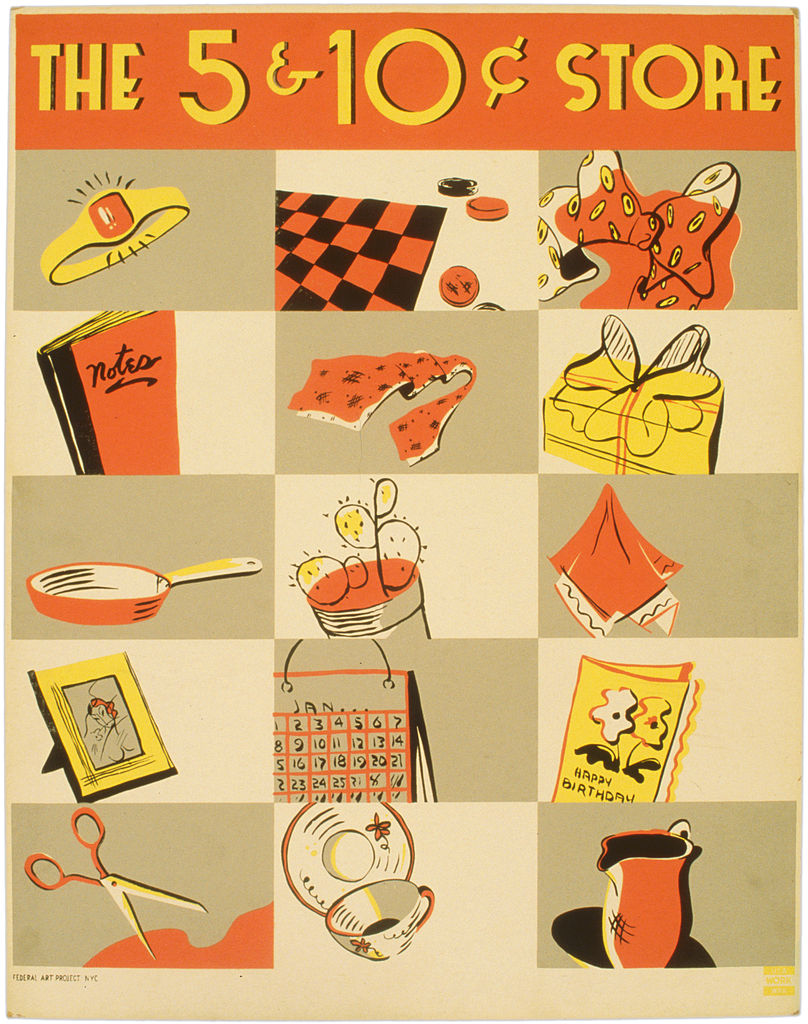
The Grand Intergalactic Five and Dime celebrates the connection between objects and memory. The game takes place in a large ramshackle spaceship that wanders between the stars, trading as it moves from one settlement to the next. The shopkeeper occasionally accepts cash, but has found it easier to let visitors barter for the items they find on the crowded shelves filling the ship's two main galleries.
Players should sit in a comfortable circle. The first player becomes a customer and the player to her left takes on the role of the shopkeeper. The two should spend a moment bantering back and forth before bartering. They can share small talk, the captain could compliment the multi-hued sheen of the customer's tentacles--anything that fits the mood of the group. Eventually the pair moves to the business at hand. The players each introduce what the characters would like to trade, offering wondrous descriptions of alien artifacts. They can ask one another questions, or add details ("The gem's deep blue reminds me of the Seas of Romlig!"). The values of the items can vary dramatically. A collection of pebbles could be traded for a crown that enhances the owner's telepathic powers, for example.
The items traded during the ship's journey reflect the rich and sometimes surreal variety of cultures and civilizations in the universe. During play, however, participants will base the goods they wish to trade on items that have deep sentimental or nostalgic value for the players themselves. A player, for example, still has a rainbow yo-yo he won at a school carnival held at a long-closed grade school. Assuming the role of shopkeeper, he could offer a customer the Medallion of Lartnec, the two multicolored discs worn by the High Oracle of Mahtal as she performs the ceremony that guarantees that gravity will continue to work properly for the next millennium.
The pair's turn ends with the customer and the captain of the merchant ship excitedly and graciously agreeing to the trade. Play then shifts to the left, with the person who played the captain becoming the new customer and the player to her left stepping into the merchant's shoes.
The game has no set endpoint. You can agree to a number of rounds before starting, or play as a warmup for other story games.

.jpg)
Cinquain is the strange child of chess and gomoku. Beginning with an empty chess board, players work to create a line of five pieces either by placement or movement.
Each player begins with a standard chess set of sixteen pieces. On her turn, a player can choose to place a piece on the board or move one already in play. Pieces can be placed on any open square (the two black bishops, for example, can be on squares of the same color and pawns can be placed on any rank). There is no limit on the number of open-ended lines of three or four a player may have.
Kings, queens, bishops, knights and rooks can be moved, following the general rules of movement in chess. Pawns neither move nor promote, although they still count as part of a line of five. There are two changes to a king's movement, however. There is no capturing in cinquain, so kings can be placed and moved without worrying being in check. Also, there is no castling.
The first player to create a line of exactly five pieces wins.
